
When is the best time of year to visit Mexico City?
A month-by-month honest breakdown — temperature, rain, festivals, and whether you'll get caught in a 4 p.m. downpour walking to dinner.
CDMX has one of the most temperate capital-city climates in the world — averages hover in the 60s–70s Fahrenheit almost year-round. But the shoulder-season variables matter, and the difference between a great trip and a soggy one usually comes down to knowing what the sky does at 4 p.m. in July.
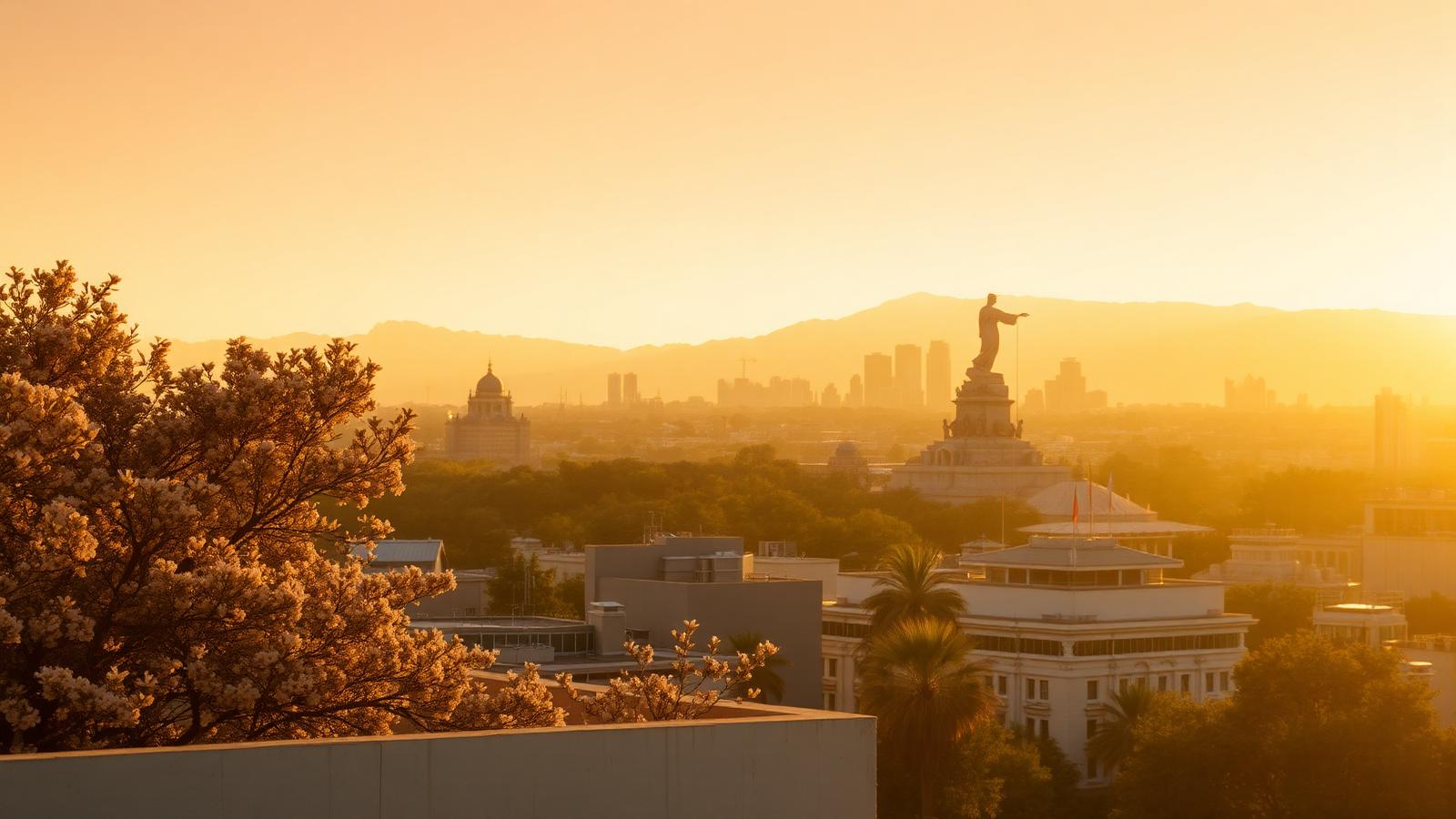
- •Best overall: mid-March through mid-April — jacaranda season, dry, mild, long shadows.
- •Most atmospheric: late October to early November for Día de Muertos. Book 3+ months out.
- •Rainy season is June–September: clear mornings, hard 30–90 minute afternoon storms (usually 4–6 p.m.), clear evenings. Plan indoor 3–6 p.m., outdoor before and after.
- •Temperature: daytime highs 68–78°F (20–26°C) almost every month. Evenings drop to 45–55°F (7–13°C) — always pack a light jacket.
- •Walking: Roma ↔ Condesa is 15 minutes on foot, safe and pleasant day or night in dry months. In rainy season, plan an Uber fallback for 4–7 p.m.
The weather in one paragraph
Mexico City sits at 2,240 m / 7,350 ft in a high valley ringed by volcanic mountains. The altitude keeps daytime temperatures unusually mild year-round — think of it as a permanent Bay Area spring. What changes month to month isn't heat, it's rain, wind, and light quality. Dry season is October through May; rainy season is June through September.
Month by month, honestly
January–February — dry, cool, quiet
Cool mornings (45°F / 7°C), warm afternoons (70°F / 21°C), no rain. Restaurants are easier to book than in high season. Bring layers for evenings and mornings.
March–April — jacaranda season (our pick)
Our editors' favorite window. The jacaranda trees turn Roma, Condesa, San Ángel, and Polanco a saturated purple for 4–6 weeks, peak color the last two weeks of March. Weather is mild (70–76°F), dry, long-shadowed.
May — the sneaky best month
The last month before the rains. Warm (75–80°F), still dry, jacarandas mostly finished but the city is empty of the March–April crowds. Underrated by our editors.
June–September — rainy season
It rains most afternoons, hard, for 30–90 minutes, then stops. Mornings are typically clear and beautiful. This is the greenest and cheapest time to visit and hotel rates drop 20–30%.
The rain arrives on a schedule: usually 4–6 p.m., often preceded by 20 minutes of dramatic cloud build-up. Plan indoor activities (museums, long lunches, Mercado San Juan) for that window and you'll barely notice.
Late October–early November — Día de Muertos
The single most atmospheric week to be in the city. Ofrendas, the Reforma parade, and cemetery visits in Mixquic. Book accommodation 3+ months out for Nov 1–2 — hotels in Roma/Condesa hit peak rates and sell out.
November–December — high season, clear skies
Cool, dry, blue-sky weather. Restaurants are fully booked, especially for the holiday weeks. Bring a warmer jacket for evening walks — the drop after sunset is real.
The walking-vs-Uber question
CDMX is one of the more walkable capitals in the Americas if you stay in the Roma / Condesa / Juárez / Polanco / Centro cluster. Rough on-foot times between neighborhoods in dry weather:
- Roma Norte ↔ Condesa: 12–18 min. Safe day and night. The definitive food-neighborhood walk.
- Roma Norte ↔ Juárez: 15–20 min. Easy by day, comfortable by night on Álvaro Obregón.
- Condesa ↔ Polanco: 25–35 min through Chapultepec park by day; Uber (100 MXN) at night.
- Centro ↔ Roma: 30–40 min. Interesting by day; Uber at night.
- Anywhere ↔ airport: Uber only. 25–45 min, 300–500 MXN.
What to pack for the weather you're getting
Dry season (Oct–May): layers — a light jacket or cardigan for mornings and evenings, sunglasses, sunscreen (the altitude sun bites harder than it looks).
Rainy season (Jun–Sep): a compact, packable rain jacket (not an umbrella — the wind makes umbrellas useless). Waterproof shoes if you have them. Same layers for mornings and evenings.
Common mistakes
- ✕Packing for "tropical Mexico." CDMX is not tropical — it's a mild highland climate. Shorts and tanks at 8 p.m. in October will leave you cold.
- ✕Ignoring the rainy-season 4 p.m. window. A great trip in July is planned around the rain, not against it.
- ✕Booking Día de Muertos accommodation less than 3 months out. The good rooms are gone by August.
- ✕Underestimating altitude on day one. Alcohol hits harder — pace mezcal and drink more water than you think you need.
If you can pick your dates: come the last two weeks of March for jacarandas, dry weather, and the city looking its best. If you can't: come anyway — CDMX is a mild-weather city ~11 months of the year, and even the rainy season has a rhythm you can plan around.
Frequently asked questions
What is the weather like in Mexico City?
Mild year-round. Daytime highs sit in the 68–78°F (20–26°C) range almost every month, with cool evenings (45–55°F / 7–13°C). The rainy season runs roughly June through September, with brief but heavy afternoon showers usually between 4 and 6 p.m.
When do the jacarandas bloom in Mexico City?
Mid-March through mid-April, with peak color usually in the last two weeks of March. Roma Norte, Condesa, San Ángel, and Reforma get the most visible bloom.
Is it worth going to Mexico City in the rainy season?
Yes — mornings are typically clear and the afternoon rain is dramatic but short. Everything is greener, restaurants are easier to book, and rates drop 20–30%. Bring a light rain jacket and plan indoor activities for 4–6 p.m.
Will I get caught in the rain walking between restaurants in July?
Probably, if you're walking between 4 and 6 p.m. In rainy season, plan outbound walks in the morning and take an Uber back to your hotel after dinner. Uber between neighborhoods is 80–150 MXN.
Is Mexico City walkable at night?
In Roma, Condesa, Juárez, and Polanco, yes — the streets are busy and well-lit until midnight or later. Walking between these neighborhoods is safe day and night in dry weather. For anything more than 20 minutes on foot, or in rainy season, take an Uber.
How cold does Mexico City get in winter?
Daytime highs stay in the mid-60s to low 70s Fahrenheit (18–22°C) even in January. Nights drop to 40–45°F (5–7°C). No snow, no freezing rain — just a real jacket in the evening.