Will the altitude in Mexico City affect me?
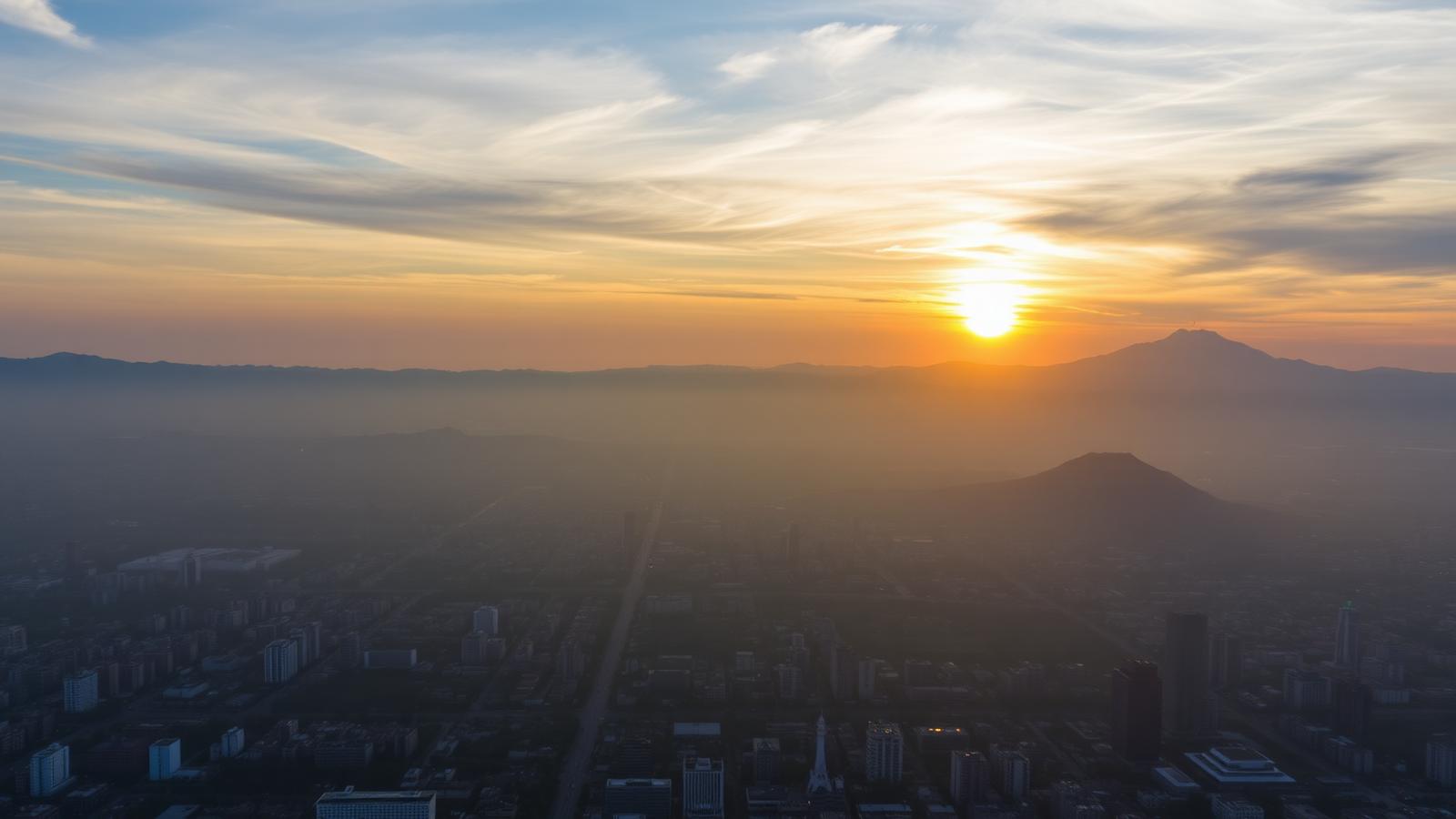
Mexico City is high — higher than Denver, higher than most European ski villages. Most visitors are fine but a meaningful minority get symptoms during the first day or two.
- •Mexico City sits at ~2,240m / 7,350ft — higher than Denver, higher than most Alpine villages.
- •Most visitors feel it as mild breathlessness climbing stairs for 24–48 hours.
- •Alcohol hits noticeably harder. One mezcal feels like one and a half.
- •Drink more water than you think you need, especially on day one.
What altitude actually feels like
Mild shortness of breath climbing a flight of stairs. A faster-than-usual heart rate for the first 24 hours. Sometimes a dull headache or trouble sleeping the first night. Alcohol hits noticeably harder — a good mezcal will feel like two at sea level, and the hangover comes with a headache that is really altitude.
Most visitors are through the worst of it by the end of day two. A meaningful minority (maybe 1 in 6) get a real headache on day one that ibuprofen handles.
What to do about it
Drink more water than feels reasonable — 3 liters on day one is a good target. Go easy on alcohol for the first 24 hours. Don't plan a walking-marathon day of Coyoacán + Xochimilco + a rooftop dinner for day one; leave that for day three.
Coca tea (té de coca) isn't sold here the way it is in Peru or Bolivia — Mexico's altitude isn't extreme enough to need it. Ibuprofen or acetaminophen for a headache is fine.
When to actually worry
Severe headache that ibuprofen doesn't touch, nausea, vomiting, or shortness of breath at rest is not normal altitude adjustment — it's altitude sickness (AMS) and you should see a doctor. Any hotel concierge can call one. Emergency number in Mexico is 911.
Genuine altitude sickness at CDMX's elevation is rare; if it happens, descending isn't practical (the whole city is at this altitude), so medical treatment is the answer.
Common mistakes
- ✕Drinking hard the first night at altitude — the hangover is real and often mistaken for food poisoning.
- ✕Planning your most active day for day one. Save the walking days for day three onward.
- ✕Under-hydrating because the weather feels mild. CDMX is dry as well as high.
Drink more water than feels reasonable, go easy on alcohol the first night, and give yourself a slow first day. That is the whole altitude protocol for CDMX.
Frequently asked questions
How high is Mexico City?
The historic center sits at approximately 2,240 meters (7,350 feet) above sea level. Some southern colonias and the surrounding mountains are higher.
Do I need altitude medication for CDMX?
Almost never. Mexico City is high but not extreme. Most people acclimate within 24–48 hours. If you have known altitude sensitivity, talk to a doctor about acetazolamide (Diamox) before you travel, but it is not standard.
Why does alcohol hit harder in Mexico City?
At altitude, blood-oxygen saturation is lower and dehydration happens faster, both of which amplify the effects of alcohol. Pace yourself, alternate drinks with water, and expect one mezcal to feel closer to one and a half.
How long does it take to acclimate to Mexico City's altitude?
Most visitors are fully acclimated by the end of day two. Mild symptoms (light breathlessness on stairs, faster heart rate) can persist through day three for some people, especially if you fly in from sea level.